Creating a home workspace that feels relaxing and inviting can make a significant difference in your daily productivity and overall comfort. Whether you’re working remotely, studying, or managing personal projects, a well-designed area helps reduce stress and improve focus. Here are some practical tips to help you build a calming and efficient workspace at home.
Choose the Right Location
Find a Quiet Corner
Select a spot in your home where you can minimize distractions and noise. This could be a spare room, a quiet corner in your living area, or even a section of your bedroom. Having a dedicated space signals your brain that it’s time to work.
Consider Natural Light
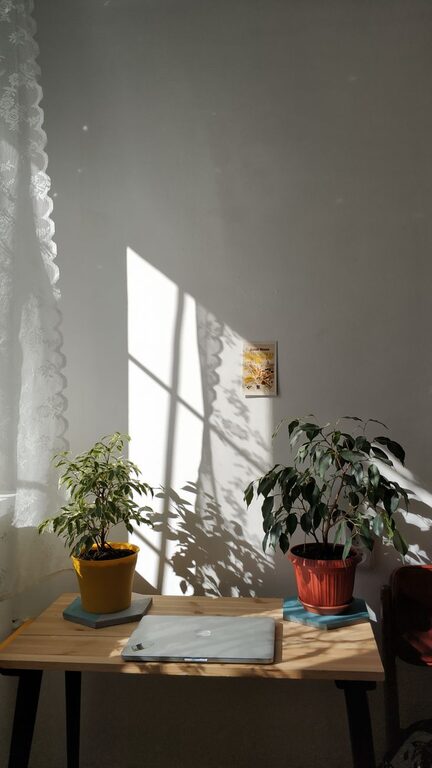
Try to set up your workspace near a window to take advantage of natural light. Sunlight can boost your mood and energy levels, making you feel more alert throughout the day.
Invest in Comfortable Furniture
Ergonomic Chair and Desk
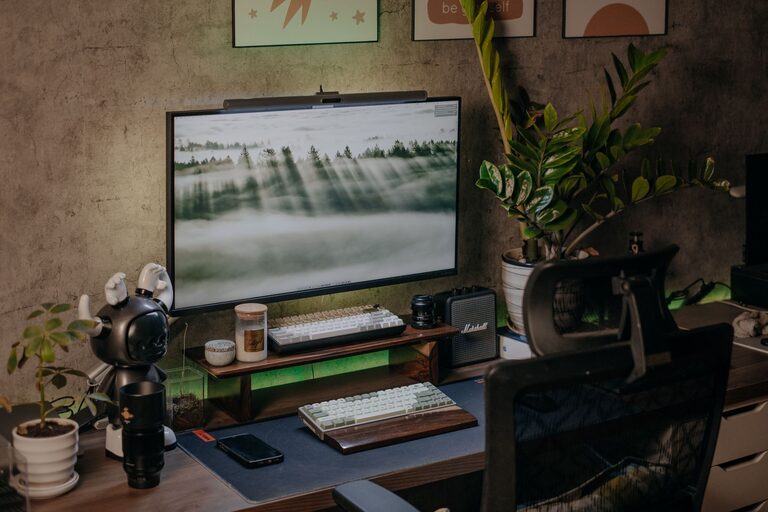
Your chair and desk choices are crucial for comfort. An ergonomic chair supports your back well and helps maintain good posture. Pair it with a desk that fits your height to avoid strain on your neck and shoulders.
Adjustable Options
If possible, use a desk or chair that allows you to adjust height. This flexibility lets you switch between sitting and standing, reducing fatigue from long hours of work.
Organize Your Space Efficiently
Declutter Regularly
Keep your workspace tidy by removing unnecessary items. A clutter-free desk helps reduce mental distractions and keeps your mind clear.
Use Storage Solutions
Incorporate shelves, drawers, or organizers to store supplies and documents neatly. Labeling containers can make it easier to find what you need quickly.
Personalize Your Workspace
Add Plants
Indoor plants brighten up your workspace and have been shown to improve air quality and reduce stress. Consider low-maintenance options like succulents or peace lilies.
Incorporate Personal Touches
Include items that make you feel relaxed, such as photos, artwork, or a cozy throw blanket. These touches can make your workspace feel more inviting.
Control Lighting and Screen Glare
Use Soft, Warm Lighting
Avoid harsh overhead lights by adding a desk lamp with soft, warm light. This helps reduce eye strain and creates a more comfortable environment.
Position Your Screen Properly
Place your computer screen so it doesn’t reflect light from windows or lamps, which can cause glare and discomfort. Adjust brightness settings to a comfortable level.
Manage Noise Levels
Use Noise-Canceling Headphones
If you can’t control external noise, noise-canceling headphones can help you focus by blocking distractions.
Play Background Music
Calm, instrumental music or nature sounds can increase concentration and make your workspace feel more relaxing.
Incorporate Movement Breaks
Stretch or Walk Regularly
Set reminders to stand, stretch, or take a short walk every hour. Movement helps reduce stiffness and refreshes your mind.
Simple Desk Exercises
Try simple exercises like shoulder rolls, neck stretches, or wrist stretches at your desk to stay comfortable during long working periods.
Maintain Healthy Boundaries
Set Clear Work Hours
Establishing specific times for work and breaks helps you maintain a balance between professional tasks and personal life.
Signal Work Mode
Create rituals that indicate the start and end of your workday, such as lighting a candle or turning on a particular lamp. This helps your mind switch between work and relaxation.
Keep Technology in Check
Minimize Notifications
Turn off non-essential notifications during work periods to stay focused.
Use Cable Management
Organize cords and cables with clips or ties to prevent tangles and keep your space neat.
Final Thoughts
Designing a relaxing home workspace is about combining comfort, organization, and personal preferences to create an environment that promotes productivity without stress. By making thoughtful choices—from location and furniture to lighting and noise control—you can enjoy a space that supports your best work and well-being. Start small, and adjust your setup as you discover what helps you feel calm and productive each day.