Creating a relaxing home office environment is essential for maintaining focus, reducing stress, and enhancing productivity when working from home. Whether you have a dedicated room or a small corner, designing a workspace that feels calm and comfortable can make a big difference in your daily routine. In this post, we’ll explore practical tips to help you create a home office that supports both your work and well-being.
Why a Relaxing Home Office Matters
A cluttered or uncomfortable workspace can increase stress, decrease motivation, and even impact your health. On the other hand, a well-designed office space encourages concentration, creativity, and a better work-life balance. Taking the time to create a relaxing environment shows that you value your work and your personal comfort.
Choose the Right Location
The first step in creating a relaxing home office is selecting the best spot in your home. Consider these factors:
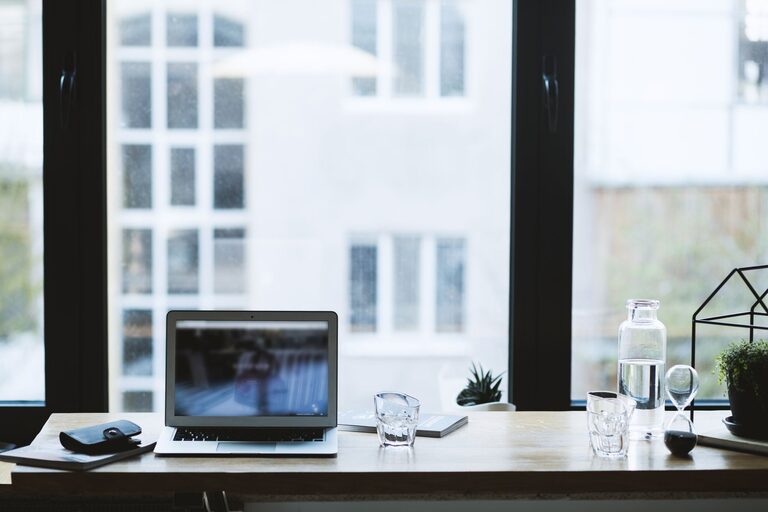
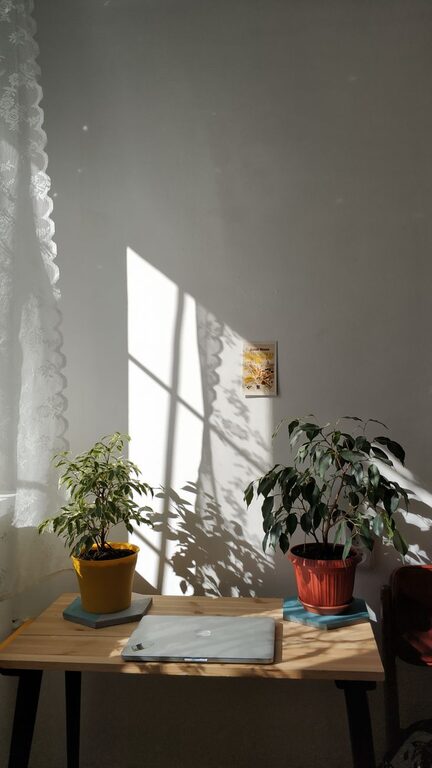
– Natural Light: Try to work near a window to benefit from natural daylight, which can boost mood and alertness.
– Quiet Area: Find a quiet part of your home to minimize distractions and noise.
– Space: Ensure there is enough room for your desk, chair, and any essential equipment without feeling cramped.
If you lack a dedicated room, consider using room dividers or screens to separate your office space visually and mentally from the rest of your home.
Invest in Ergonomic Furniture
Comfort is key for long hours spent at a desk. Ergonomic furniture supports your body’s natural posture and helps prevent strain.
– Chair: Choose a chair that supports your lower back and allows your feet to rest flat on the floor.
– Desk Height: Your desk should be at a height where your elbows form a 90-degree angle when typing.
– Monitor Placement: Position your computer screen at eye level about an arm’s length away to reduce eye and neck strain.
Adjustable furniture can accommodate different positions throughout the day, promoting movement and comfort.
Keep It Organized and Clutter-Free
A tidy workspace promotes a calm mind. Use these tips to keep your home office organized:
– Storage Solutions: Use shelves, filing cabinets, or boxes to keep documents and supplies in order.
– Cable Management: Organize cables with clips or sleeves to avoid a tangled mess.
– Minimal Decor: Keep decorations simple and meaningful to avoid overwhelming your space.
Make it a habit to spend a few minutes at the end of each day tidying your workspace.
Add Personal but Calming Touches
Your office should inspire and relax you. Choose decorations and colors thoughtfully:
– Plants: Indoor plants improve air quality and add a natural, soothing element.
– Colors: Soft colors such as light blues, greens, or neutral tones create a calming atmosphere.
– Artwork: Select few pieces that bring positive energy, such as nature scenes or abstract designs.
Avoid overly bright or cluttered wall art that could be distracting.
Control Lighting and Temperature
Lighting and temperature have a big impact on comfort and focus:
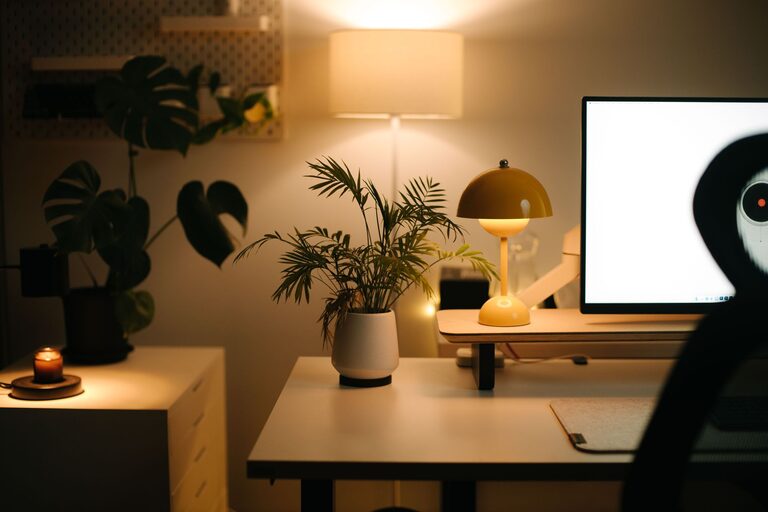
– Lighting: Use a combination of natural light and adjustable artificial lights like desk lamps. Avoid harsh overhead lights.
– Temperature: Keep your home office at a comfortable temperature, as being too hot or cold can be distracting.
Consider blackout curtains or blinds if the sunlight causes glare during certain hours.
Incorporate Soothing Sounds
Background sounds can enhance focus or help calm nerves:
– Music: Soft instrumental music or nature sounds can create a peaceful work environment.
– Noise Machines: White noise machines or apps help mask distracting background noise.
– Silence: If you prefer quiet, noise-canceling headphones can be a great investment.
Experiment to find what works best for you.
Schedule Breaks and Movement
A relaxing home office also means creating a routine that supports your well-being:
– Regular Breaks: Take short breaks every hour to stretch, walk, or simply rest your eyes.
– Comfort Zones: Create a small area with a comfortable chair or cushion where you can step away for a few minutes.
– Mindfulness: Practice deep breathing or quick meditation sessions to reduce stress during busy days.
These habits help you return to work refreshed and focused.
Set Boundaries to Separate Work and Home Life
Maintaining clear boundaries helps prevent burnout and creates mental separation:
– Dedicated Workspace: Avoid working from your bed or couch to keep your office space distinct.
– Work Hours: Define your work schedule and communicate it to others in your household.
– End-of-Day Routine: Develop rituals that signal the end of your workday, such as shutting down your computer or tidying your desk.
Respecting these boundaries supports a healthy work-life balance.
Final Thoughts
Transforming your home office into a relaxing and efficient space doesn’t have to be complicated or expensive. By focusing on comfort, organization, natural elements, and routines, you can create an environment that nurtures both productivity and peace of mind. Remember, your workspace should work for you—feel free to adjust it as your needs and preferences evolve.
With these tips, your home office can become a place where you look forward to working and enjoy a better balance between work and relaxation.