
Creating a home office that is both cozy and productive can transform your work-from-home experience. Whether you’re a full-time remote worker, a freelancer, or someone who occasionally works from home, the right space can boost your focus and happiness. Here are practical tips to help you design a home office that feels inviting while helping you get things done efficiently.
1. Choose the Right Location
Selecting the proper area in your home for your office is the first step. Ideally, look for a quiet spot with minimal distractions and good natural light. If space is limited, even a dedicated corner in a living room or bedroom can work with the right setup.
Consider these factors:
– Noise levels: Choose a place away from high-traffic areas.
– Privacy: Ensure you have some separation to take calls or focus without interruptions.
– Lighting: Natural light can reduce eye strain and improve mood; position your desk near a window if possible.
2. Invest in Comfortable and Ergonomic Furniture
Comfort is key to maintaining productivity during long hours of work. Ergonomic furniture helps prevent discomfort and health issues.
Essentials include:
– Ergonomic chair: Supports your back and encourages good posture.
– Desk at the right height: Allows your arms to rest comfortably while typing.
– Adjustable accessories: Consider a monitor stand or keyboard tray.
If you spend part of your day standing, adding a sit-stand desk or a balance board can make a big difference.
3. Organize Your Workspace Efficiently
A clutter-free desk helps you think clearly and find items quickly.
Tips for keeping organized:
– Use drawer organizers or trays to sort stationery and small items.
– Set up shelves or cabinets nearby for papers and books.
– Minimize desktop items to just what you use daily.
– Utilize cable management tools to keep cords tidy and out of sight.
Regularly declutter your workspace to maintain order and a calming environment.
4. Personalize Your Space
Adding personal touches makes your office feel welcoming and inspiring.
Ideas to personalize:
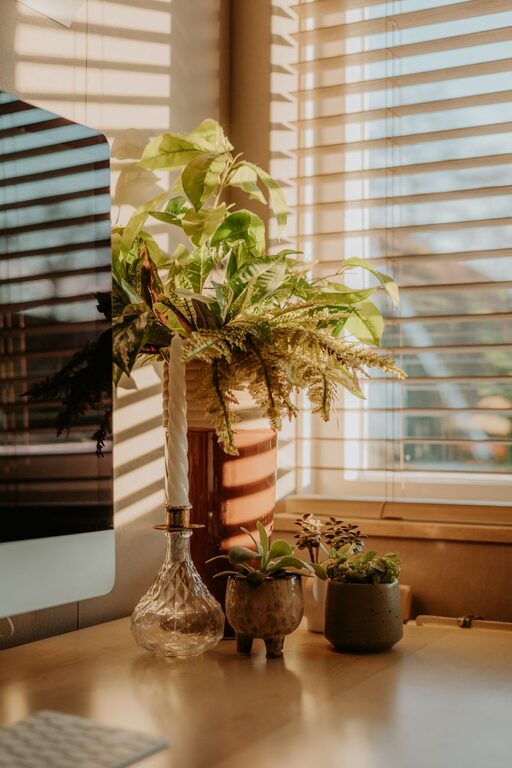
– Decorate with plants: Indoor plants improve air quality and add a sense of calm.
– Hang artwork or photos: Choose pieces that motivate or soothe you.
– Use soft textiles: Rugs, cushions, and curtains can add warmth and texture.
– Add scented candles or essential oil diffusers: Scents like lavender or citrus promote relaxation and alertness.
While personalization is encouraged, avoid overdecorating to prevent distraction.
5. Optimize Lighting
Good lighting reduces eye strain and keeps you alert throughout the day.
Lighting essentials:
– Maximize natural light: Position your desk to benefit from sunlight without glare on screens.
– Task lighting: Use a desk lamp with adjustable brightness and direction for focused work.
– Ambient lighting: Soft overhead lights or wall sconces create a comfortable background glow.
– Warm or daylight bulbs: Choose bulbs that mimic natural light, avoiding overly harsh or dim lighting.
6. Minimize Distractions
Distractions can break your concentration and reduce productivity.
How to stay focused:
– Use noise-canceling headphones or play background music if it helps you focus.
– Set work boundaries: Inform family or housemates of your working hours.
– Limit phone notifications: Turn off nonessential alerts during work times.
– Keep your workspace dedicated to work only — avoid mixing it with relaxation or entertainment areas.
7. Keep Essential Technology Handy
Your home office will be most productive when the right tools are within easy reach.
Important tech setup:
– Reliable high-speed internet to avoid frustration.
– Adequate charging stations and power strips.
– Backup devices or drives for important files.
– Printer, scanner, or webcam if needed for your job.
– A good-quality headset or microphone for virtual meetings.
Setting up your technology thoughtfully can save time and reduce interruptions.
8. Incorporate Movement and Break Areas
Sitting for long periods is not healthy nor productive. Include options that encourage movement.
Suggestions for staying active:
– Take short breaks every hour to stretch or walk around.
– Set up a small area for quick exercises or stretches.
– Consider a balance ball chair or standing desk to vary posture.
– Create a cozy corner with a comfy chair where you can relax during breaks to recharge.
9. Use Color Wisely
Colors influence our mood and energy levels. Choose hues that enhance productivity and comfort.
Color ideas:
– Soft blues and greens: Promote calm and concentration.
– Warm neutrals and earth tones: Create a cozy atmosphere.
– Accent colors like yellow or orange: Add energy and creativity in small doses.
– Avoid overly bright or distracting patterns in your main workspace.
10. Regularly Refresh Your Space
A workspace that feels fresh can help maintain motivation and focus.
Refresh tips:
– Rotate decor seasonally or when inspiration wanes.
– Rearrange your furniture occasionally for a new perspective.
– Clean windows and surfaces regularly for brightness and clarity.
– Update your tech or supplies when needed.
—
Final Thoughts
Designing a cozy and productive home office is a balance between comfort, function, and personal style. By choosing the right location, investing in ergonomic furniture, organizing carefully, and personalizing your space, you’ll create an environment that supports your best work. Remember to pay attention to lighting, minimize distractions, and incorporate movement to keep both your body and mind energized throughout the day.
With these tips, your home office can become a welcoming, efficient space that helps you thrive in your work-from-home routine.